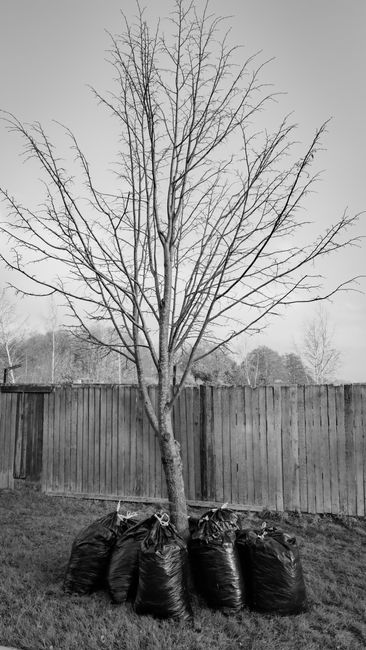
What to know about garden waste disposal Newham Council gardeners
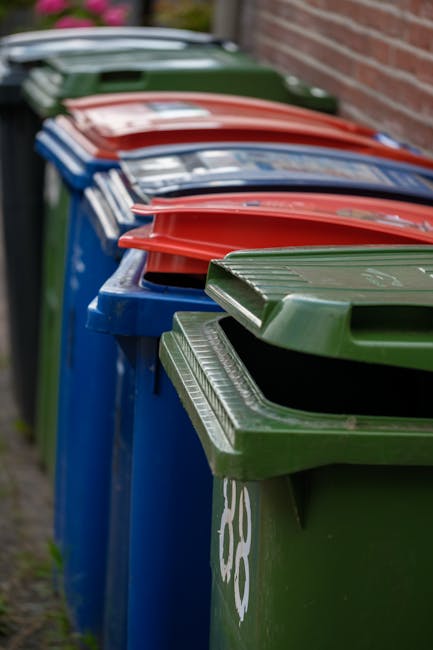
If you have ever finished a tidy-up and ended up with a heap of cuttings, hedge trimmings, soil, and branches that look larger than the job itself, you are not alone. Garden waste disposal sounds simple on paper, but in practice it can be a bit of a puzzle, especially if you are trying to keep things neat, legal, and efficient in Newham. This guide explains what to know about garden waste disposal Newham Council gardeners, how the process usually works, what to avoid, and how to make garden clearance less of a headache.
Whether you manage a small front garden, a family back garden, or several outdoor spaces as part of ongoing maintenance, the goal is the same: remove green waste responsibly without creating extra mess, extra cost, or an awkward chat with the neighbours. Let's get into it properly.
Why What to know about garden waste disposal Newham Council gardeners Matters
Garden waste is not just "rubbish." It is a mix of organic material that can be bulky, heavy, damp, spiky, and awkward to transport. A few bags of grass clippings might seem harmless, but after a proper cutback, pruning session, or seasonal tidy-up, the volume can rise fast. That is where good disposal habits matter.
In Newham, as in most parts of London, homeowners and gardeners need to think about more than just making the garden look good. Waste needs to be separated, stored, moved, and disposed of in a way that fits local collection expectations and general UK waste practice. If you ignore it, problems build quickly: bags split, smells creep in, pests are attracted, and the whole job starts feeling twice as big as it should have been.
To be fair, a lot of garden waste issues come down to planning. A hedge trim, for example, creates very different waste from a simple grass cut. If you are already booking ongoing upkeep such as regular garden maintenance in West Ham or even hedge trimming services, waste planning should sit alongside the actual gardening work, not after it. That is the smart way round.
There is also a sustainability angle. Green waste can often be reused, composted, mulched, or taken away in a way that reduces landfill pressure. If you are trying to garden more responsibly, maybe alongside ideas from transforming organic waste into fertile ground, your disposal routine becomes part of the garden's overall health, not just a boring add-on.
How What to know about garden waste disposal Newham Council gardeners Works
The basic idea is straightforward: garden waste should be separated from general household waste, stored safely, and then collected, reused, or removed through the right route. The exact route depends on the amount of material, the type of waste, and whether you are dealing with a one-off clear-out or ongoing garden upkeep.
In practice, there are usually a few common pathways:
- Kerbside collection or council-approved collection routes for suitable green waste, where available.
- Private garden clearance when a professional gardener takes the waste away as part of the job.
- Home composting for suitable soft green materials such as grass and leaves.
- Recycling or reuse for material like branches, woodchip, and some prunings, depending on condition.
The main thing is not to mix everything together and hope for the best. Soil, stones, treated timber, plastic pots, and diseased plants can change how waste has to be handled. A pile of rose clippings is one thing. A pile that also includes broken fencing offcuts and half a bag of builder's rubble is another entirely.
If your garden work includes bigger tasks like tree reduction or stump-heavy pruning, the waste becomes more substantial and more technical. That is where services such as tree surgery in West Ham can be useful, because they are set up to deal with larger and sometimes heavier green waste properly. Likewise, projects involving landscaping services often produce mixed organic and non-organic debris, which needs a more structured disposal plan.
One practical point people overlook: wet green waste is much heavier than it looks. A morning of damp hedge clippings can turn into a backache if you try to stuff it all into one container. Split loads early. Your shoulders will thank you later.
Key Benefits and Practical Advantages
Getting garden waste disposal right does more than keep the place tidy. It changes how manageable your whole outdoor space feels.
- Cleaner working conditions - you can see what you are doing, move safely, and avoid tripping over loose debris.
- Better garden health - removing diseased leaves, overcrowded cuttings, and dead material helps reduce pest and fungus problems.
- Less stress after the job - the tidy-up is often what turns a decent gardening session into a good one.
- More efficient maintenance - when waste is bagged, sorted, and removed properly, the next visit starts in a better place.
- Lower risk of complaints - no overfilled bins, no drifting debris, and no waste left sitting around for days.
There is also the simple satisfaction factor. A garden can look almost finished, then one last pile of clippings makes it feel half-done. Clear that away, and suddenly the space breathes again. You will notice it immediately, especially in smaller Newham gardens where every square metre counts.
For many households, efficient disposal also ties into broader upkeep services. For example, if your lawn is looking tired after seasonal cutbacks, combining waste removal with lawn care in West Ham or lawn mowing services keeps the whole garden cycle working together rather than in separate little battles.
Who This Is For and When It Makes Sense
This topic matters to more people than you might think. It is not only for big garden projects or full redesigns.
It makes sense if you are:
- a homeowner doing seasonal tidy-ups in spring or autumn
- a landlord keeping a rental garden presentable
- a tenant with responsibility for a shared or private outdoor area
- a busy family trying to keep the garden manageable without losing weekends to waste bags
- someone arranging professional garden work and wanting the waste taken care of cleanly
- an older resident or busy professional who simply does not want to haul heavy bags to a collection point
It also matters when the job is not huge, but the waste is awkward. Think thorny cuttings, wet grass, dense hedge material, or long branches that are difficult to fit into standard bags. A small job can become surprisingly fiddly. We have all had that moment where a "quick prune" turns into three brimming sacks and a broom that seems to be getting nowhere.
If your outdoor space is more of a compact urban plot, the issue can be even more noticeable. Some people discover that a small garden produces less waste by volume but more by mess, because narrow side access and shared paths make carrying material out a bit clumsy. That is where organised disposal matters most.
Step-by-Step Guidance
If you want a tidy, low-stress approach, use a simple sequence. Nothing fancy. Just a method that works.
- Identify the waste type. Separate grass, leaves, soft cuttings, woody branches, soil, stones, old compost, and anything non-organic.
- Remove contamination. Pull out plastic ties, plant pots, labels, nails, bits of wire, and anything that should not go with green waste.
- Cut down bulky material. Chop branches and long stems into manageable lengths where safe to do so.
- Bag or stack by category. Keep soft green waste apart from woody waste if possible. It makes lifting and disposal easier.
- Store waste safely. Keep it off walkways, away from windows, and out of places where it can turn soggy or attract pests.
- Choose the disposal route. Reuse, compost, council collection, or a professional removal service.
- Book the right help if needed. For bigger jobs, arrange garden services that include waste removal, rather than trying to solve it separately at the end.
A practical example: after a hedge cut, one pile might be ideal for chipping or reuse, while another contains twiggy offcuts better suited for removal. If that feels like overthinking it, fair enough, but the difference saves time later. Good sorting now means less shuffling around later.
When the job involves several parts of the garden at once - say hedge trimming, lawn work, and a patio clean-up - it helps to think in zones. You might link the job with patio cleaning in West Ham or even general gardening services so the waste, cleaning, and finishing touch all happen in one flow. Nice and tidy.
Expert Tips for Better Results
Good garden waste disposal is part planning, part habit. A few small choices make a big difference.
Keep dry materials separate when you can. Dry leaves and twigs are lighter and easier to handle than wet mulch-like waste. Mixing them all together usually creates a heavier, sloppier load.
Do not leave waste "for later." If the pile sits for a week, it settles, compacts, and becomes more awkward. Also, it tends to spread. A bit like glitter, but less glamorous.
Use the right container size. Oversized bags are tempting, but there is a limit to what one person can lift safely. Smaller loads are often quicker overall because you are not wrestling with one giant, overstuffed sack.
Think about reuse first. Some material can be composted or turned into mulch. Soft clippings and leaves are often ideal for this, as long as they are free from weeds or disease.
Plan waste around the weather. Damp days make lifting harder and increase weight. If you can time disposal for a drier spell, you will notice the difference straight away.
Make cut-back jobs waste-aware from the start. If a hedge or tree is going to produce a large volume of material, arrange removal before the first cut. That avoids the awkward "where do we put all this now?" moment halfway through.
If your garden is exposed to wind, a few loose bags can become a nuisance. You might find it useful to read about garden wind management techniques, because the same principle applies to waste storage: secure it before it becomes part of the scenery.
Common Mistakes to Avoid
Most garden waste problems are not dramatic. They are just annoying, repeatable little mistakes that make life harder than it needs to be.
- Mixing green waste with household rubbish. This is one of the easiest ways to create disposal problems.
- Overfilling bags. Heavy bags tear, spill, and become difficult to move safely.
- Leaving stumps, roots, or soil piles unchecked. These are often heavier and less straightforward than leafy waste.
- Forgetting about access. If you cannot get the waste out of the garden easily, the whole plan needs rethinking.
- Ignoring diseased material. Diseased plants should be handled carefully so you do not spread the issue around the garden.
- Assuming every green item can be composted. Some materials are unsuitable for home composting, especially if they are woody, treated, or contaminated.
Another common one: people tidy the front but leave the back service path cluttered because "nobody will see it." But you will see it. And so will the next person carrying bags through, which tends to make jobs messier than necessary.
If you are already working on bigger improvement projects, such as putting in new boundaries or structures, waste control becomes even more important. Jobs involving fencing services or decking services can generate wood offcuts and old materials that should be kept separate from organic waste.
Tools, Resources and Recommendations
You do not need a van full of equipment to deal with garden waste properly. A few well-chosen tools can make the process much smoother.
| Tool or resource | Why it helps | Best for |
|---|---|---|
| Heavy-duty garden sacks | Helps sort and carry green waste without constant tearing | Grass cuttings, leaves, soft clippings |
| Secateurs and loppers | Reduces bulky waste into manageable pieces | Prunings, hedge trimmings, small branches |
| Tarpaulin or sheet | Makes collection and moving waste simpler | Large tidy-ups, branch piles |
| Wheelbarrow | Protects your back and speeds transport | Heavier waste loads |
| Compost bin or heap | Turns suitable waste into useful material | Leaves, grass, soft garden waste |
As a rule, the right setup depends on how often you garden. If you are only doing the occasional light tidy-up, a sack and a pair of loppers may be enough. If you are doing regular maintenance or larger seasonal clearances, consider how waste removal fits with ongoing work. A service built around garden maintenance can be more efficient than handling each task as a separate mini-project.
And if you are gathering ideas for a more low-effort garden in the first place, it is worth looking at affordable low-maintenance garden ideas. Less cluttered planting often means less waste over time. That is not magic. Just sensible garden design.
Law, Compliance, Standards, or Best Practice
Garden waste disposal should always follow local collection rules and general waste-handling best practice. The exact arrangements can vary, so it is wise to check the current Newham Council guidance directly before assuming a certain bin, bag, or collection route is acceptable. That way you avoid missed collections or accidental contamination of the wrong waste stream.
From a best-practice point of view, a few principles hold up well across the board:
- Keep waste types separate wherever practical.
- Do not put prohibited material into green waste collections.
- Store waste safely and neatly so it does not block paths or become a nuisance.
- Use licensed, responsible removal methods if you are paying someone else to take the waste away.
- Be careful with potentially hazardous material such as treated timber, contaminated soil, or diseased plants.
There is also a practical legal point for anyone hiring help: if a gardener removes waste as part of the job, it should be handled responsibly and not dumped somewhere unsuitable. In plain English, if someone takes it away for you, you still want confidence that it is being dealt with properly. That confidence matters.
For larger or more complicated work, professional garden teams will usually build waste handling into the service. It is one reason people choose full-service support rather than trying to stitch together mowing, pruning, and disposal separately. You get a cleaner finish and fewer moving parts. Which, honestly, is a relief.
Options, Methods, or Comparison Table
Different disposal methods suit different gardens. Here is a simple comparison to help you decide what fits your situation.
| Method | Best for | Pros | Limitations |
|---|---|---|---|
| Home composting | Soft green waste, leaves, small cuttings | Low cost, useful compost, environmentally friendly | Not suitable for all materials; needs space and patience |
| Council collection route | Routine green waste, where available | Convenient, simple for regular waste | Depends on local rules, schedules, and acceptable waste types |
| Professional removal | Large clearances, heavy prunings, mixed garden debris | Fast, less manual effort, tidy finish | Usually the most expensive option |
| Reuse on site | Mulch, chipped branches, compostable material | Reduces waste, improves soil, keeps material on site | Needs planning, tools, and appropriate conditions |
If you are choosing between methods, start with volume and effort. Small, regular waste can often be composted or collected as part of routine care. Bigger one-off jobs usually suit a professional clearance approach. Simple, really.
Case Study or Real-World Example
Picture a typical late-summer tidy-up in a modest Newham garden. The lawn has been cut, the hedge has grown too enthusiastically, and a few shrubs are spilling into the path. Nothing dramatic, but enough to make the space feel cramped.
The first pass creates three types of waste: grass clippings, hedge trimmings, and a small pile of woody cuttings from shaping the shrubs. At first, the homeowner puts everything into one large sack. By the time the bag is half full, it is too heavy to lift comfortably. The hedge pieces poke through, the grass is damp, and the whole thing is awkward.
On the second pass, they sort the waste as they go. Grass goes into one bag, twiggy material into another, and the thicker cuttings are stacked neatly for removal. The garden stays clearer while the work continues, and the final tidy-up takes far less time. A simple change, but it turns the whole afternoon around.
That is the real lesson here. Garden waste disposal is not glamorous, but it directly affects how smooth the job feels. If the disposal system is poor, every task becomes slightly harder. If it is organised, even a fairly messy garden day feels manageable.
For gardens with structural or design changes underway, that same logic applies. A project that includes landscaping, a new seating area, or even planting work can generate mixed waste quickly. Planning waste removal before the first spade goes in keeps the whole project calmer.
Practical Checklist
Use this checklist before, during, or after garden work. It keeps the waste side of the job under control.
- Identify what type of waste the job will produce
- Separate green waste from non-organic waste
- Check for soil, stones, wire, plastic, or treated wood
- Decide whether the material can be composted or reused
- Bag waste in manageable loads, not oversized ones
- Keep bags or piles away from paths and doors
- Plan access for moving waste out of the garden
- Arrange council collection or professional removal if needed
- Do not leave diseased or problematic waste sitting around
- Finish with a quick sweep so the garden actually feels finished
If you are doing the work yourself, keep water, gloves, and a clear path nearby. It sounds basic because it is basic, but these little things save time and frustration.
Conclusion
Garden waste disposal in Newham is not just about getting rid of cuttings. It is about keeping your garden manageable, your space safe, and your maintenance routine sensible. Once you understand what counts as green waste, how to sort it, and which disposal method fits the job, the whole process gets much easier.
The main takeaway? Plan the waste before you plan the tidy-up. That small shift can save you effort, reduce mess, and make every garden job feel more under control. And if your garden needs more than a quick clear-out, building waste handling into regular care is usually the smoothest route. A neater garden starts with a smarter system, not a bigger pile of bags.
Get a free quote today and see how much you can save.
When the clippers are down and the last bag is gone, what is left should be the good part: a garden that feels lighter, calmer, and ready for the next season.
Frequently Asked Questions
What counts as garden waste in a Newham garden?
Garden waste usually includes grass cuttings, leaves, hedge trimmings, plant clippings, small branches, and other organic material from normal gardening work. It does not automatically include soil, stones, treated wood, plastics, or general household rubbish.
Can I put all garden waste into one bag?
You can, but it is not always the best idea. Mixing everything together makes loads heavier and less manageable. Soft green waste, woody material, and contaminated items are often easier to deal with if they are sorted separately.
Is it better to compost garden waste or remove it?
It depends on the material and your space. Soft waste such as leaves and grass can often be composted if you have room and patience. Large hedge trimmings, branches, or mixed waste are usually easier to remove or have professionally collected.
What should gardeners do with hedge trimmings?
Hedge trimmings can often be chipped, composted, or collected as green waste depending on their size and condition. If the hedge cut is substantial, it is often worth planning removal before work starts so the garden does not fill up with piles of cuttings.
Can soil go with green waste?
Usually not in the same way as regular garden clippings. Soil is heavy and often needs separate handling. If you are digging out beds or removing large amounts of soil, it is worth checking how that material should be handled before you start.
What happens if garden waste is left outside too long?
It can become wet, heavy, messy, and sometimes attract pests. Left long enough, it also becomes more awkward to move and can make the garden look untidy even after the main work is finished.
Do I need a professional gardener for waste removal?
Not always. Small jobs can often be handled with home composting or local collection routes. A professional gardener becomes more useful when the waste volume is high, the access is awkward, or the job includes pruning, hedge cutting, or other larger tasks.
What is the safest way to move heavy garden waste?
Use smaller loads, a wheelbarrow if you have one, and a clear path with no trip hazards. Wet bags are heavier than they look, so it is better to make more trips than to strain your back with one overfilled sack.
Can diseased plants be composted?
Not always. Diseased plant material needs careful handling so the problem is not spread back into the garden. If you are unsure, it is safer to treat that waste separately rather than mix it into a home compost heap.
How do I know if my garden waste is ready for collection?
It should be sorted, bagged or bundled sensibly, and free from obvious contamination such as plastic, rubble, or treated timber. If a collection route has specific rules, it is best to follow them closely so the waste is accepted without issue.
What is the simplest way to reduce garden waste over time?
Choose lower-maintenance planting, prune regularly rather than waiting too long, and reuse suitable organic material on site where possible. Gardens designed with efficiency in mind often create less waste in the first place.
When should I book help for garden waste disposal?
Book help when the waste is too bulky, too heavy, or too time-consuming to deal with comfortably on your own. That usually includes hedge reductions, tree work, seasonal clear-outs, or bigger maintenance days where the waste will build up quickly.
If you want support with a broader tidy-up, you may also find it useful to explore gardening services in West Ham as part of a larger maintenance plan. Sometimes the smartest move is simply having the whole job handled in one go.